
Building a Career in Underground Utility Locating: Opportunities in Australia's Infrastructure Sector
Published on 2/13/2025 by HR Utilities
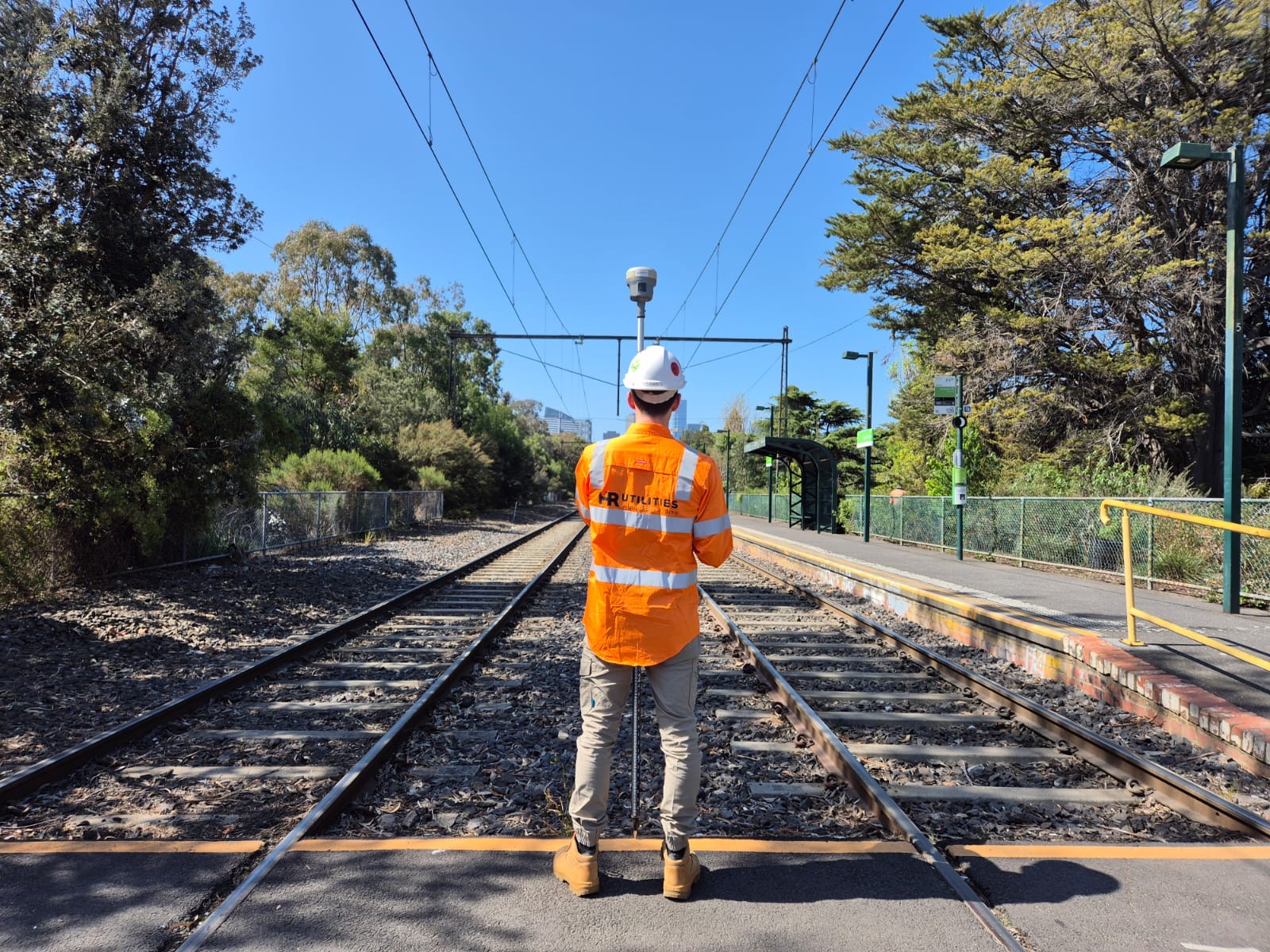
HR Utilities, a leading underground asset and cable locating company servicing Melbourne and regional Victoria, plays a critical role in Australia’s infrastructure development. With urban expansion and renewable energy projects accelerating demand for precision utility locating and advanced subsurface mapping solutions, careers in this field offer stability and competitive remuneration.
Industry Growth and Employment Trends
Australia’s infrastructure sector is experiencing robust growth, driven by renewable energy initiatives and urban upgrades. Key insights from the Australian Bureau of Statistics (ABS) and government reports include:
- 8.9% of Australia’s workforce is employed in construction, a key sector for utility locating
- Victoria reported a 70% increase in renewable energy jobs between 2017–18 and 2018–19, many requiring underground utility surveys for wind and solar projects
- Nationwide, 1,056,200 new jobs were created under the Albanese Government between May 2022 and November 2024, with infrastructure roles contributing significantly
This growth highlights the need for skilled professionals in underground utility installation and mapping.
Salary Benchmarks and Career Pathways
Government data reveals competitive earnings for technical roles:
| Role | Median Hourly Earnings | Annual Equivalent |
|---|---|---|
| Field Utility Locator | $40.00 AUD | $83,200 AUD |
| Engineering Surveyor | $67.20 AUD (Managers) | $139,776 AUD |
HR Utilities aligns with these benchmarks, offering:
- Performance-based incentives and career progression opportunities
- Roles such as Utility Locator, Utility Surveyor & GIS Specialist, requiring knowledge of AS 5488 standards and proficiency with GPR/EM equipment
Safety and Compliance: The Role of BYDA
Adherence to Before You Dig Australia (BYDA) protocols is non-negotiable in utility locating. Key requirements:
- Online portal access to underground infrastructure plans
- Compliance reduces project risks by preventing service disruptions and costly repairs
HR Utilities integrates BYDA standards with advanced technologies to ensure precision in underground utility surveys across Melbourne.
Why Choose HR Utilities?
- Training: Accredited programs for DBYD certification and Telstra asset mapping
- Technology: BYDA-approved tools, including the latest equipment in EM & GPR detection
- Safety Culture: Rigorous protocols aligned with national workplace standards
“At HR Utilities, we pride ourselves on being a dynamic and close-knit team with a wealth of experience in a diverse range of underground infrastructure projects. Our small, friendly team fosters collaboration, support, and a willingness to share knowledge, ensuring that every team member has the opportunity to grow and thrive. If you’re looking to join a company where innovation, teamwork, and professional development are at the forefront, HR Utilities is the place for you.” – HR Utilities Manager
Navigating the Job Market
Pro tips for aspiring utility locators:
- Certification: Knowledge of AS 5488 and Certloc accreditations
- Networking: Engage with industry bodies like NULCA for updates on underground utility locating jobs
- Resume Focus: Highlight experience with GPR, CAD, survey or utility mapping solutions
Partner with Experts in Precision Locating
Whether you’re a job seeker exploring utility locating careers or a developer needing underground utility locators in Melbourne, HR Utilities delivers end-to-end solutions. Explore our utility locating careers or contact our team to discuss utility mapping in Melbourne tailored to your needs.
Related reading:
Looking to start your career in underground utility location? Contact HR Utilities to learn more about our current opportunities and training programs.
Related services:
- Utility Locating Services — NULCA certified detection
- Utility Surveying Services — georeferenced survey plans
- Subsurface Utility Mapping — AS5488 compliant mapping
Stay Connected: